Microsoft Project Online will retire on September 30, 2026, prompting many organizations to evaluate their next project and portfolio management platform. For many PMOs, that announcement raises a question they have not had to answer in years: what should replace the system their teams built their project processes around?
With the retirement date approaching and enterprise platform decisions rarely happening overnight, many teams are already beginning that evaluation.
Project Online helped standardize scheduling and project tracking for thousands of organizations. Over time, however, many environments grew into collections of schedules, reports, and workarounds rather than a connected portfolio management system.
Now that those environments must change, many teams are taking the opportunity to rethink how projects, portfolios, and resources should actually be managed across the organization.
For many organizations having that conversation, Clarity is increasingly emerging as a leading option.
Why Project Online Environments Often Hit a Ceiling
Project Online became the central platform for tracking timelines, milestones, and task progress across many PMOs. As portfolios expanded, teams often had to extend processes beyond the platform to answer broader portfolio questions. As portfolios expanded, PMOs often found themselves building additional processes outside the system to answer broader portfolio questions. Resource planning might happen in spreadsheets, governance reviews in separate tools, and executive reporting often required manual consolidation across projects.
The result was an environment where teams could track individual projects, but lacked a clear, centralized view across the portfolio.
Common challenges included:
- Limited visibility across programs and portfolios
- Difficulty balancing incoming demand with available capacity
- Reporting that requires heavy manual effort
- Governance and intake processes managed outside the system
When the retirement announcement arrived, many PMOs recognized that replacing the tool alone would not solve those structural challenges.
What Organizations Need From a Modern Portfolio Platform
Today’s PMOs are expected to do far more than track project schedules. Leadership teams want to understand which initiatives should move forward, how resources are allocated, and whether the organization has the capacity to deliver what is being planned.
Answering those questions requires more than individual project schedules. It requires visibility across the portfolio and the ability to connect strategy, demand, and delivery.
As organizations evaluate their next platform, many are prioritizing capabilities such as:
- Portfolio visibility across projects and programs
- Resource and capacity planning across teams
- Standardized intake and governance processes
- Executive reporting that reflects real portfolio health
Rather than simply replacing a scheduling tool, many PMOs are looking for a platform that supports how portfolios are actually managed today.
Why Many Organizations Are Choosing Clarity After Project Online
When many teams first adopted Microsoft Project Online, it solved an immediate need: standardizing project scheduling and bringing visibility to individual initiatives.
Today, as teams evaluate what should replace it, the landscape looks very different. The PPM space has evolved with stronger portfolio planning capabilities, advanced reporting, scenario modeling, and emerging AI-driven insights. As a result, many PMOs are looking beyond scheduling tools and evaluating platforms that support how portfolios are actually planned and managed across the enterprise.
Clarity is a platform that frequently emerges in these evaluations. It is designed to manage projects, portfolios, resources, and governance within a single environment. This allows organizations to connect strategy, planning, and delivery across large portfolios rather than managing projects in isolation.
With Clarity, organizations can:
- Manage portfolios, programs, and projects in a single system
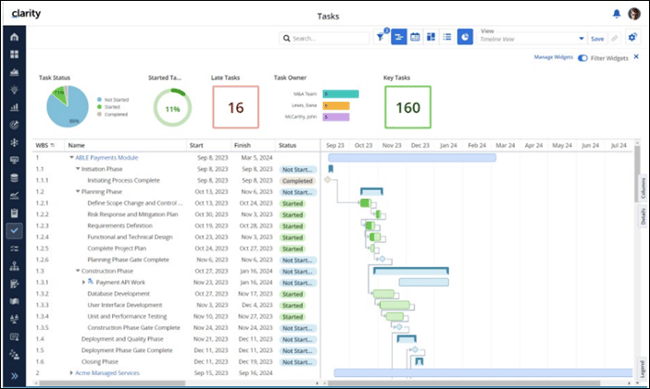
- Plan resource capacity across teams and departments
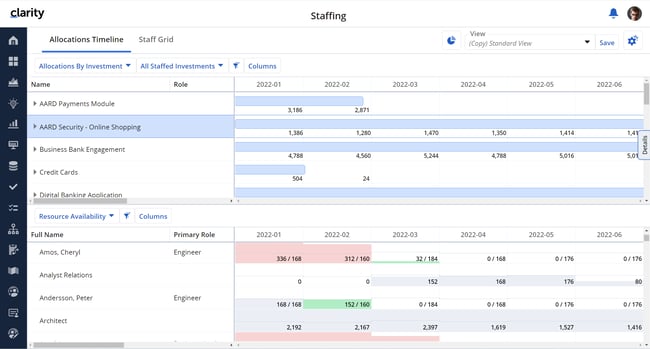
- Standardize project intake and governance processes
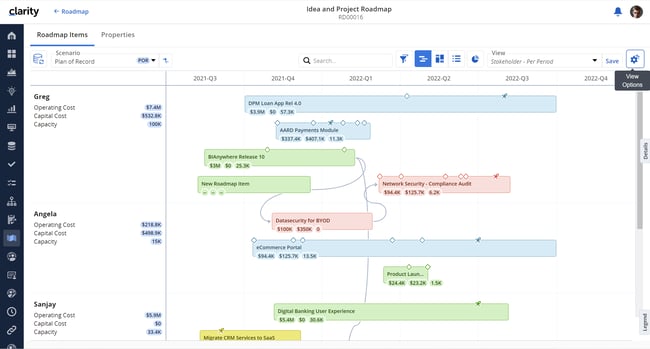
- Provide leadership with real-time portfolio reporting and insight
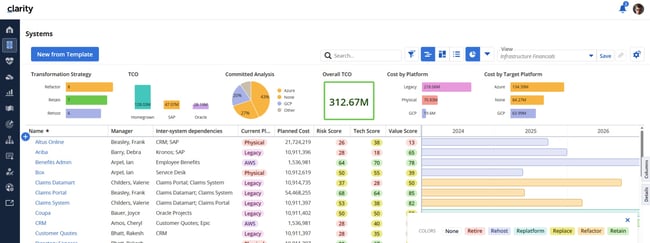
For PMOs that have spent years managing projects through separate schedules, spreadsheets, and reporting workarounds, this shift creates a much clearer foundation for portfolio decision making.
Turning the Transition Into an Opportunity
Every platform transition requires time, effort, and change management. Data must be migrated, integrations rebuilt, and teams must adapt to new processes. Because that investment is unavoidable, many organizations are asking a different question: how can this transition strengthen their portfolio management foundation?
As we explored in our article on planning the next step after Project Online, many teams are using this moment to rethink how project portfolios should be managed moving forward.
For many PMOs, that means moving beyond scheduling-focused environments and adopting platforms designed for portfolio visibility, governance, and resource planning.
Start Planning Before the Deadline
Microsoft ended sales of new Project Online-only licenses in October 2025 and will fully retire the Project Online cloud service on September 30, 2026. With enterprise platform evaluations and implementation planning often taking months, organizations that begin planning early have far more flexibility to assess options, define governance models, and execute a smooth transition.
The retirement of Project Online does not have to be a scramble. For many PMOs, it is an opportunity to build a stronger foundation for managing projects and portfolios going forward.
Winmill PPM has been helping organizations implement and optimize portfolio management platforms since 2004, supporting more than 1,000 successful implementations across industries. We work with teams to evaluate their current environments, design the right portfolio architecture, and implement platforms such as Clarity in ways that support long-term visibility and control.
If your organization is beginning to plan its transition away from Microsoft Project Online, explore how to approach the next step here.